
Gas Line Repair in Houston, TX
Gas line checks and repairs for fittings, valves, connectors, and appliance branches.
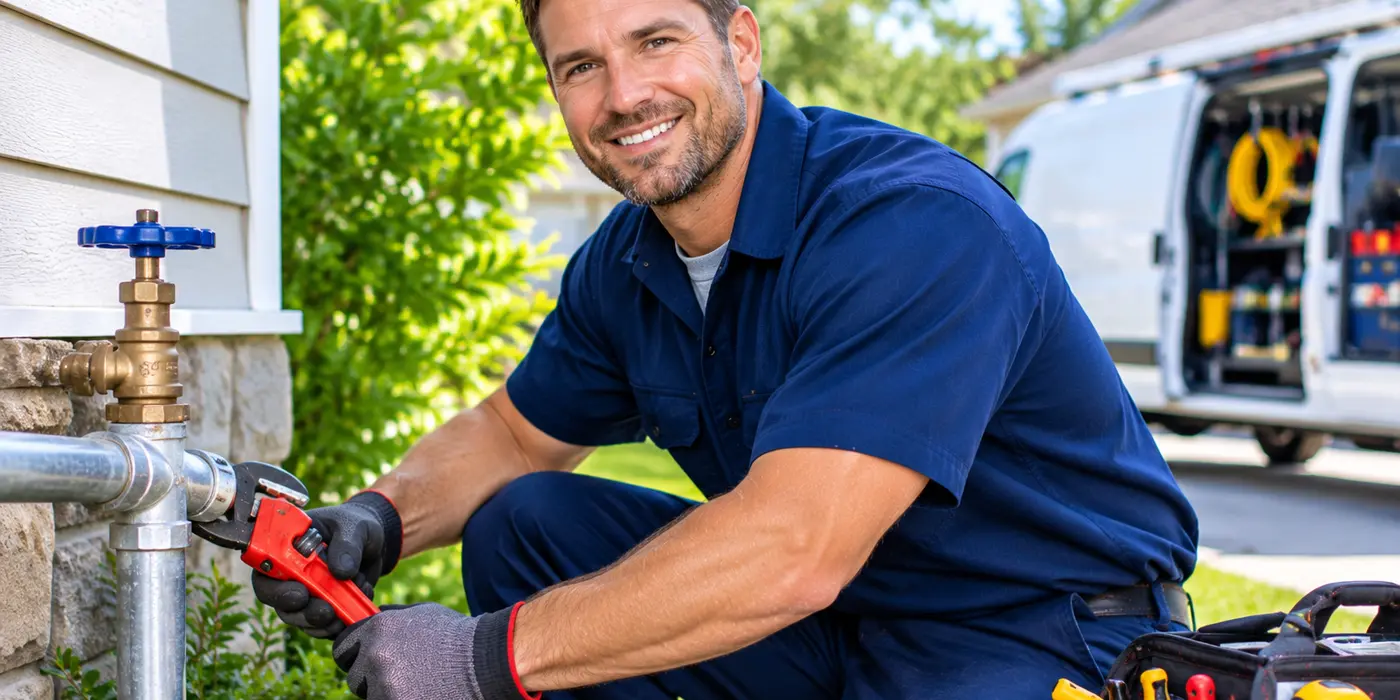
Older homes and remodeled properties around Houston, West University Place, Southside Place, and Bellaire can have gas piping from more than one renovation. A kitchen range, dryer, fireplace, or pool heater may be connected to an older branch line while newer black steel pipe or flexible connectors serve another appliance. We check the fittings, valves, joints, and visible pipe route to find where the gas system has changed or where a connection has begun to fail.
Aging threaded joints, corrosion around a valve, movement behind an appliance, and damage to an exposed connector can all create a gas line problem. We trace the affected appliance branch instead of assuming the odor or weak flame comes from the appliance itself. Gas line repair should not wait because a leaking fitting or damaged pipe can keep releasing gas into a cabinet, wall cavity, attic, or room.
Gas smell and hissing
A sulfur-like gas smell near a stove, dryer, furnace closet, or outdoor meter is one reason customers call us. A hissing sound at a shutoff valve, connector, or union is another clear sign that needs a line inspection. We also hear about burners that will not stay lit, flames that look weak, or an appliance that stopped receiving gas after a valve was moved.
Gas odor near a kitchen cabinet can come from a connector, while a weak burner flame can involve a valve, regulator, appliance control, or supply branch. A line that was bumped during flooring, cabinet, or appliance work may have a loose fitting even when no sound is present. We inspect each symptom at the pipe and appliance connection because a hissing connector, a faulty shutoff, and a pressure problem are separate repairs with different materials and labor.
Gas line inspection
A gas line inspection starts with the appliance shutoff, exposed connector, threaded fittings, unions, and accessible pipe route. We use a gauge or manometer to check pressure at the appliance branch and compare the reading with the equipment requirements; natural gas systems commonly operate at low pressure measured in inches of water column. An exposed fitting check and pressure reading may take about 30 minutes, while tracing a branch through an attic, crawlspace, wall, or yard takes longer.
We isolate the affected branch before replacing a failed accessible valve, connector, nipple, cap, or threaded fitting. Soap solution and gauge readings help us identify leaks at joints that may not make a noticeable sound. Accessible parts can often be addressed during the callout, while concealed pipe, buried line sections, rerouting work, or components that require ordering are scheduled as separate repair work.
Pipe access and shutoffs
Pipe access changes the scope of a gas line repair. A valve under a range or beside a dryer is different from a branch line behind drywall, above a ceiling, below a slab, or inside a crawlspace. We also consider the pipe material, the route from the meter or manifold, and whether cabinets, appliance panels, or wall finishes must be removed to reach the failed connection.
A seized shutoff valve can add work because the gas branch must be isolated safely before a fitting can be removed. Older threaded steel pipe may need additional disassembly when corrosion has locked a union or damaged the threads, while a specialty regulator or appliance connector may need to be ordered. Permit or inspection sign-off can also affect the work when a new route, altered branch, buried pipe, or larger gas-piping change is involved.
Appliance plate and access
The model number from the appliance rating plate helps us identify the gas connection and required supply specifications; the plate is often inside a range drawer, behind a dryer door, on a furnace cabinet, or along the side of a water heater. We also need to know which room and fixture are affected, whether the gas smell or hissing is happening now, and whether the appliance can still be used. A photo of the shutoff valve, connector, and surrounding cabinet or wall can show whether the fitting is exposed or blocked.
Attic, crawlspace, garage, and exterior access can affect which tools and replacement parts we bring for the line. Strong gas odor calls for leaving the area without operating switches, flames, or electrical equipment and contacting the gas utility or emergency services from outside. Call us at (210) 405-1525 because a leaking connector or corroded fitting can continue releasing gas as the opening worsens.
When we are open
Mon–Sun Open 24 hours
Next
Next: get in touch, or back to the home page.